Julian Abele
Illuminating ambition overshadowed
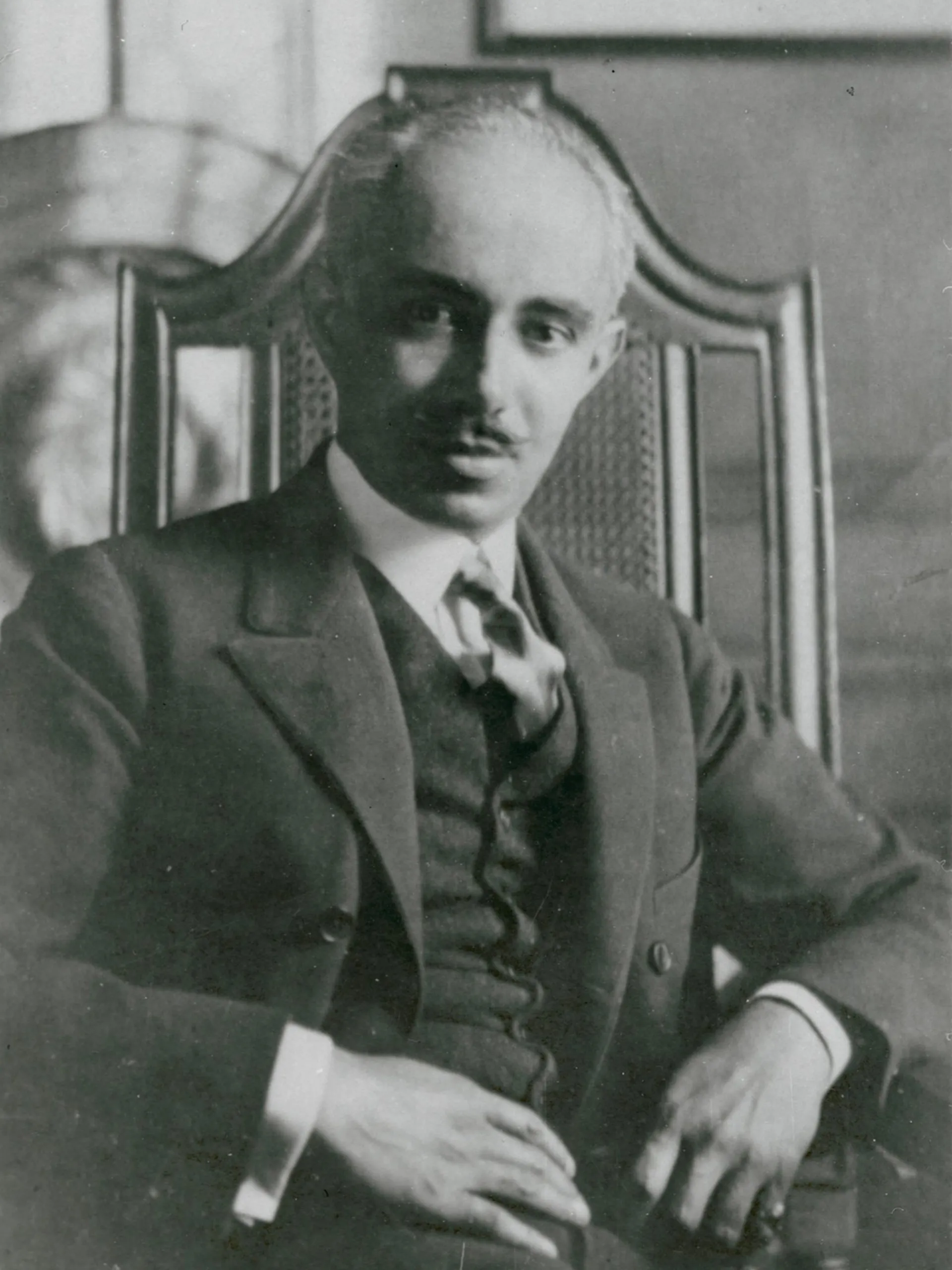
Julian Abele (1881–1950).[1]
Julian Abele was born into a prominent family of African heritage in Philadelphia in 1881. He was the first Black man to graduate from the University of Pennsylvania’s School of Architecture (1902) and just the third in the nation to earn an Architecture degree.
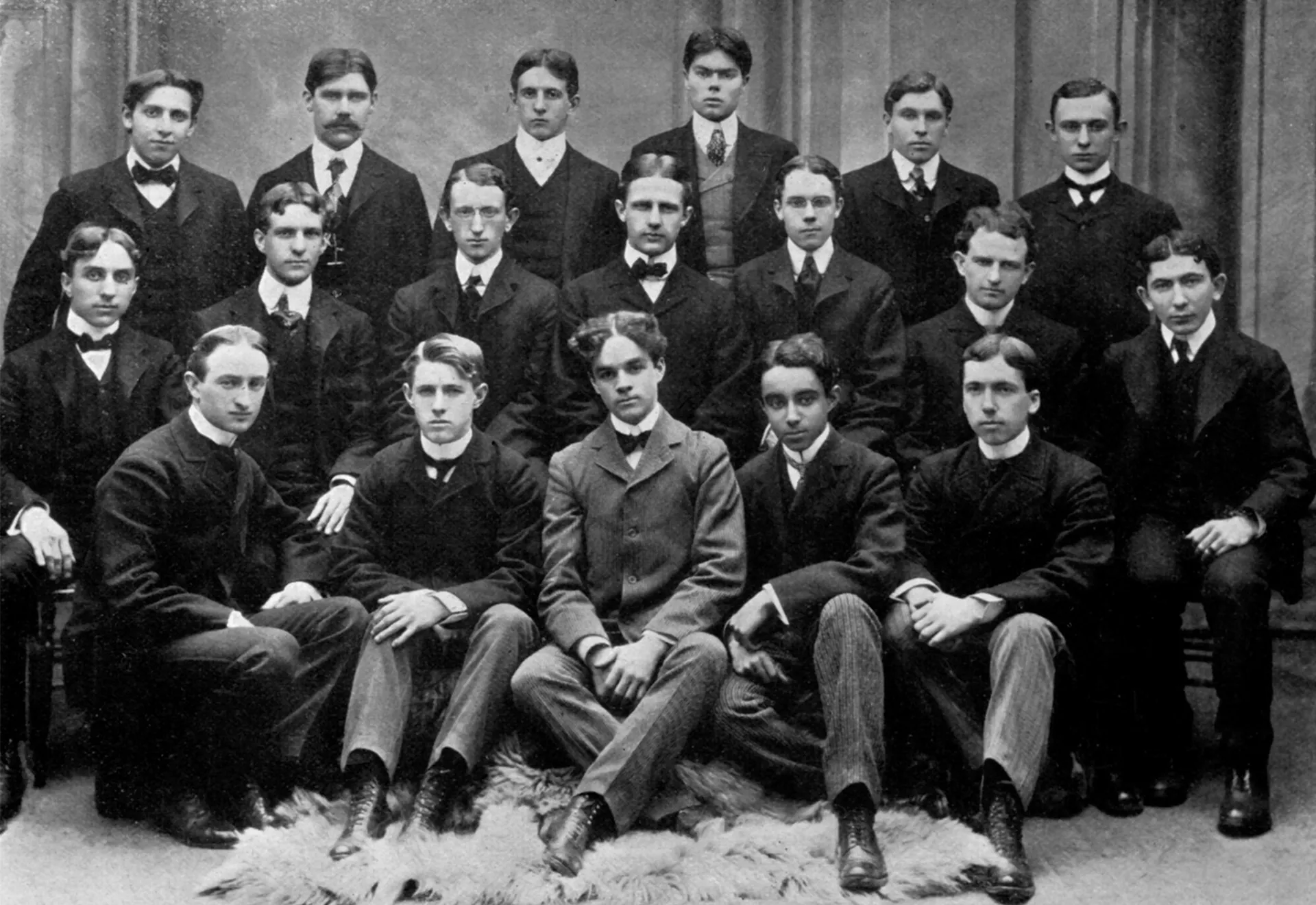
Julian Abele (first row, second from right) in a University of Pennsylvania yearbook image, 1900.[2]
Abele joined Trumbauer’s office as a junior designer in 1906. Along with a shared passion for the Beaux Arts style, the men were “outsiders” in the architecture community—Trumbauer because he was self-taught, Abele because of his race.
The lines are all Mr. Trumbauer’s, but the shadows are all mine.
Attributed to Julian Abele
In 1909, Abele became Senior Designer, and the Berwinds’ hired Trumbauer’s office to design the Sunken Garden and Carriage House. It’s likely Abele was the architect, but his involvement is unconfirmed. The plans bear only Trumbauer’s name.
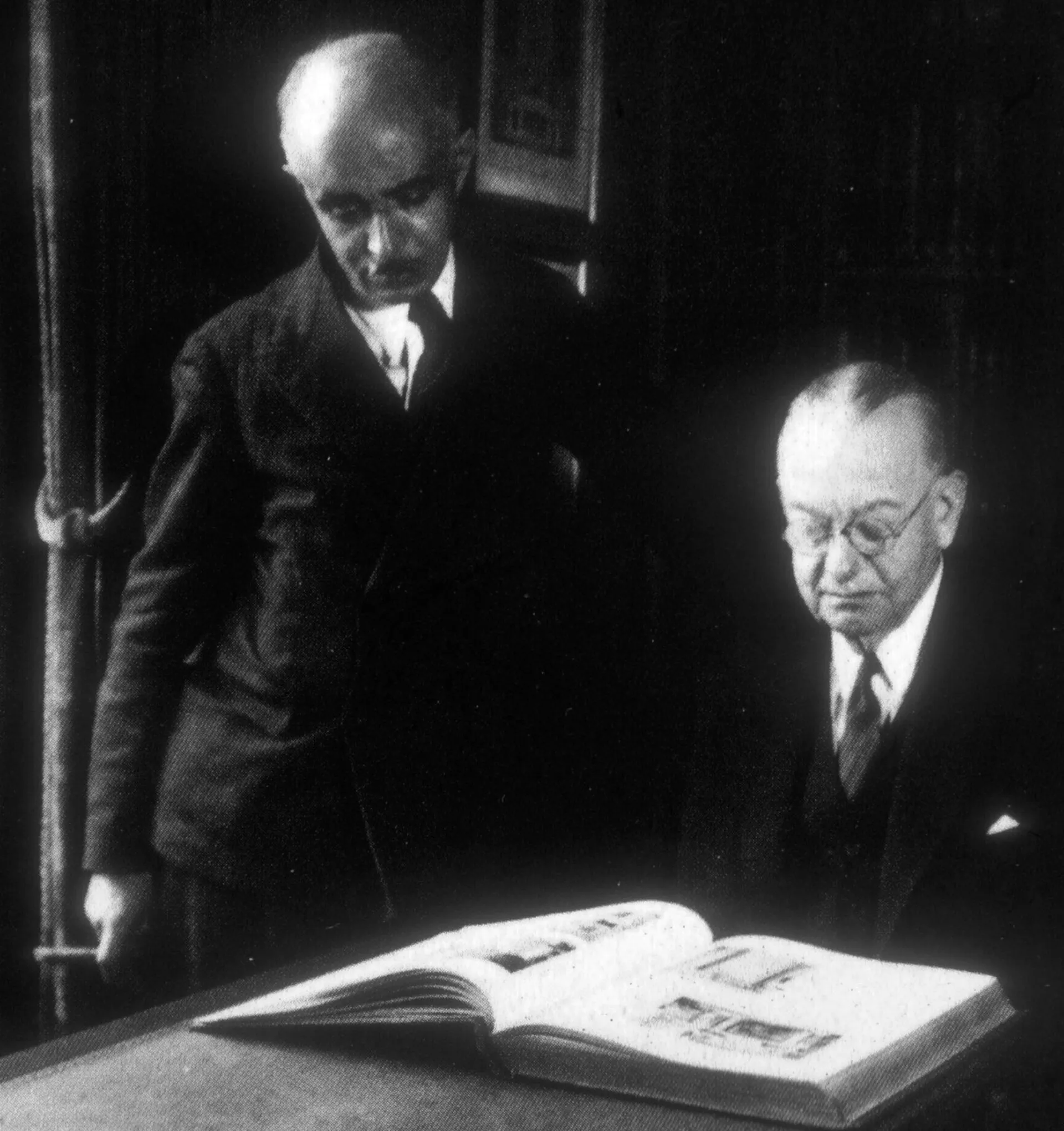
Julian Abele and Horace Trumbauer.[3]
Most of Abele’s work in his forty-four-year career went uncredited. He’s believed to have designed the Duke University campus, although it’s possible he never saw it in person due to segregation in the South. His role only surfaced in the 1980s during anti-apartheid demonstrations on campus.
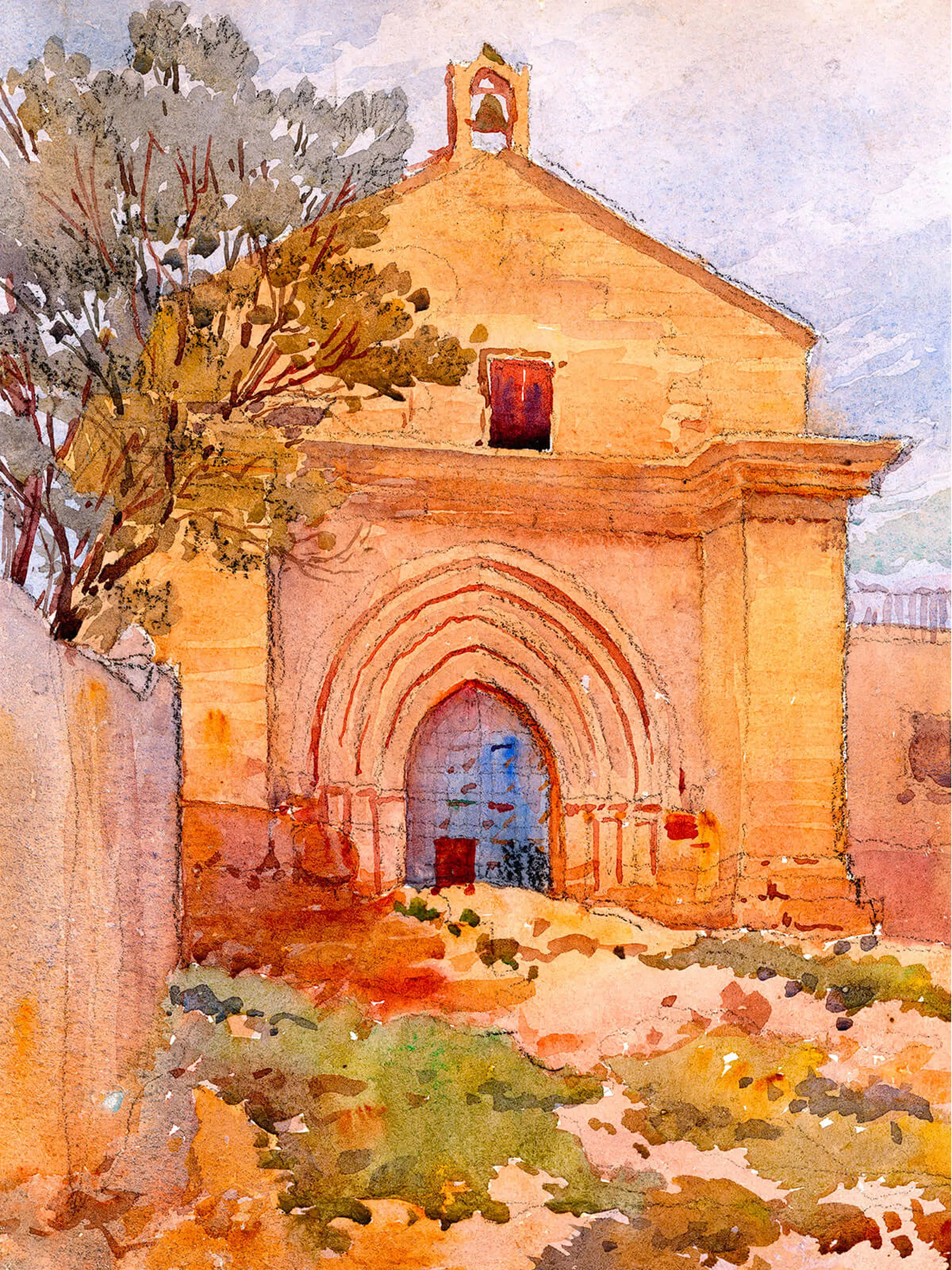
Church from Plaza, by Julian Abele, c. 1913–1914, watercolor drawing.[4]
Abele’s success was rooted in his ability to navigate racial discrimination in post-Civil War America. Like other professionals of African heritage, he sought to downplay race and highlight his abilities. His objective was to have people and institutions judge his work on its merit, rather than his race.
Primary sources cited
Julian Abele, photograph, c.1900-1950, photograph, Wikimedia Commons, web source.
"Loyal Classmen," Penn Today, March 4, 2020, web source.
"Loyal Classmen," Penn Today, March 4, 2020, https://penntoday.upenn.edu/news/loyal-classmen-abele-magaziner.
Abele, Julian, European Travel Sketches: Church from Plaza, c. 1913-1914, Architectural Archives of the University of Pennsylvania, web source.