The French chef & his cuisine
An artist with ambitions to match his employers’
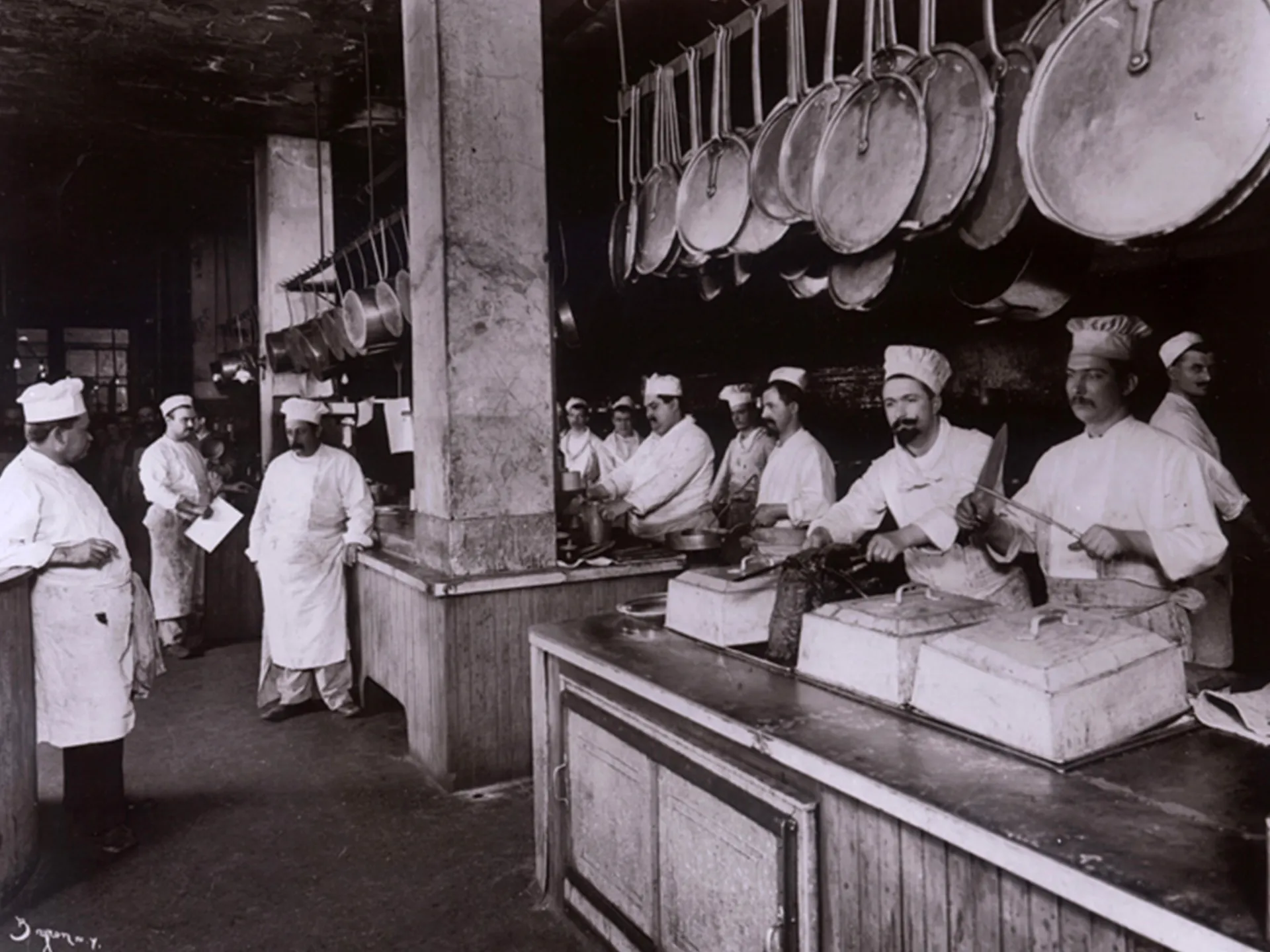
The kitchen at Delmonico's, New York, 1902.[1]
In the Gilded Age, French cuisine—like French art, design, and fashion—came to signify the pinnacle of quality and taste. Exposure to French culture through international travel strengthened this perception, in part, among the wealthy.
There’s a divinity that hedges in a French chef who has made cooking an art.[2]
Millionaire Households
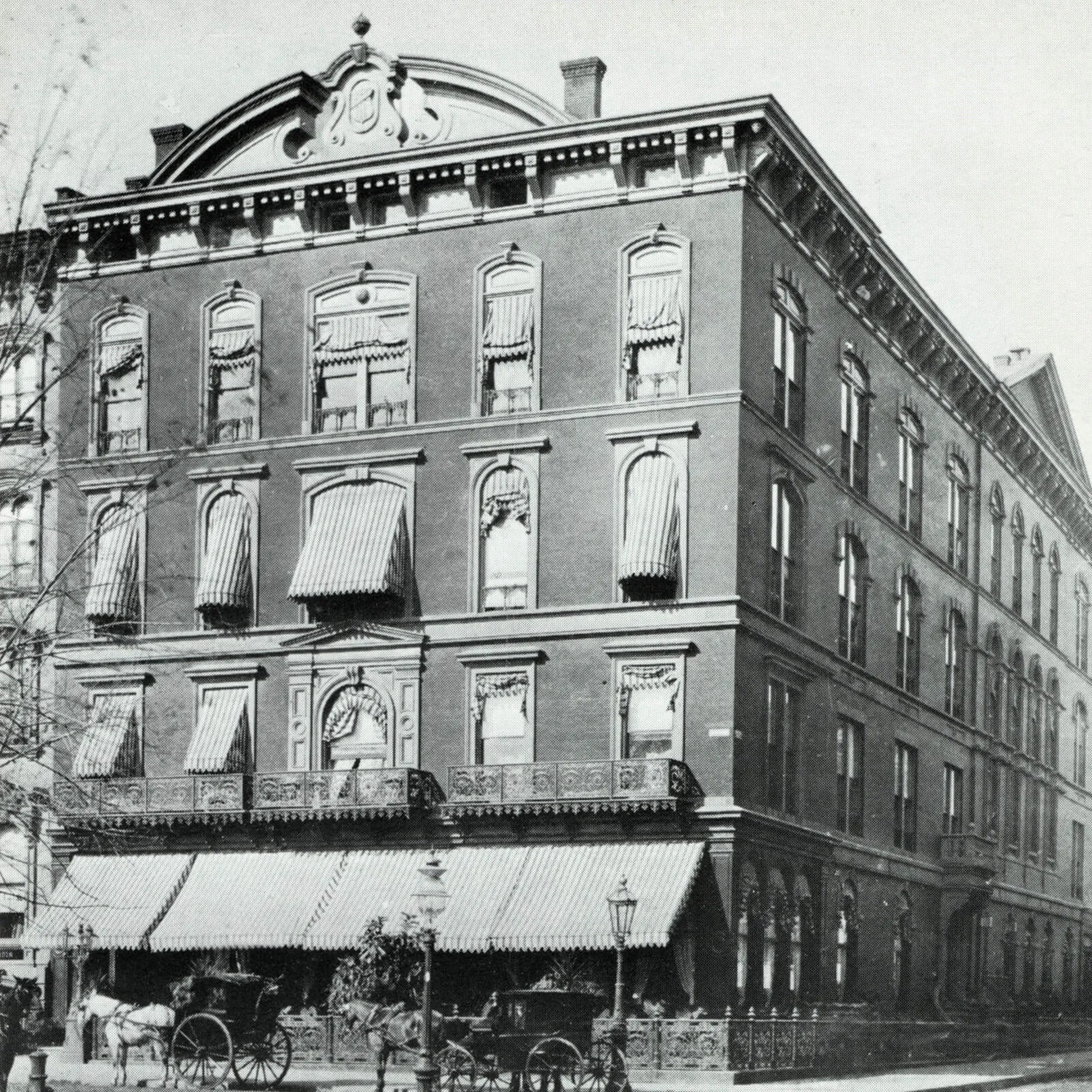
Delmonico’s Restaurant in New York, 1888.[3]
The esteemed French chef Charles Ranhofer at Society’s favorite New York restaurant, Delmonico’s, inspired wealthy families like the Berwinds to seek French chefs for their homes. Households even competed to poach French chefs from their favorite restaurants—or one another. After all, a top chef elevated one’s dinner parties and, thus, their social standing.
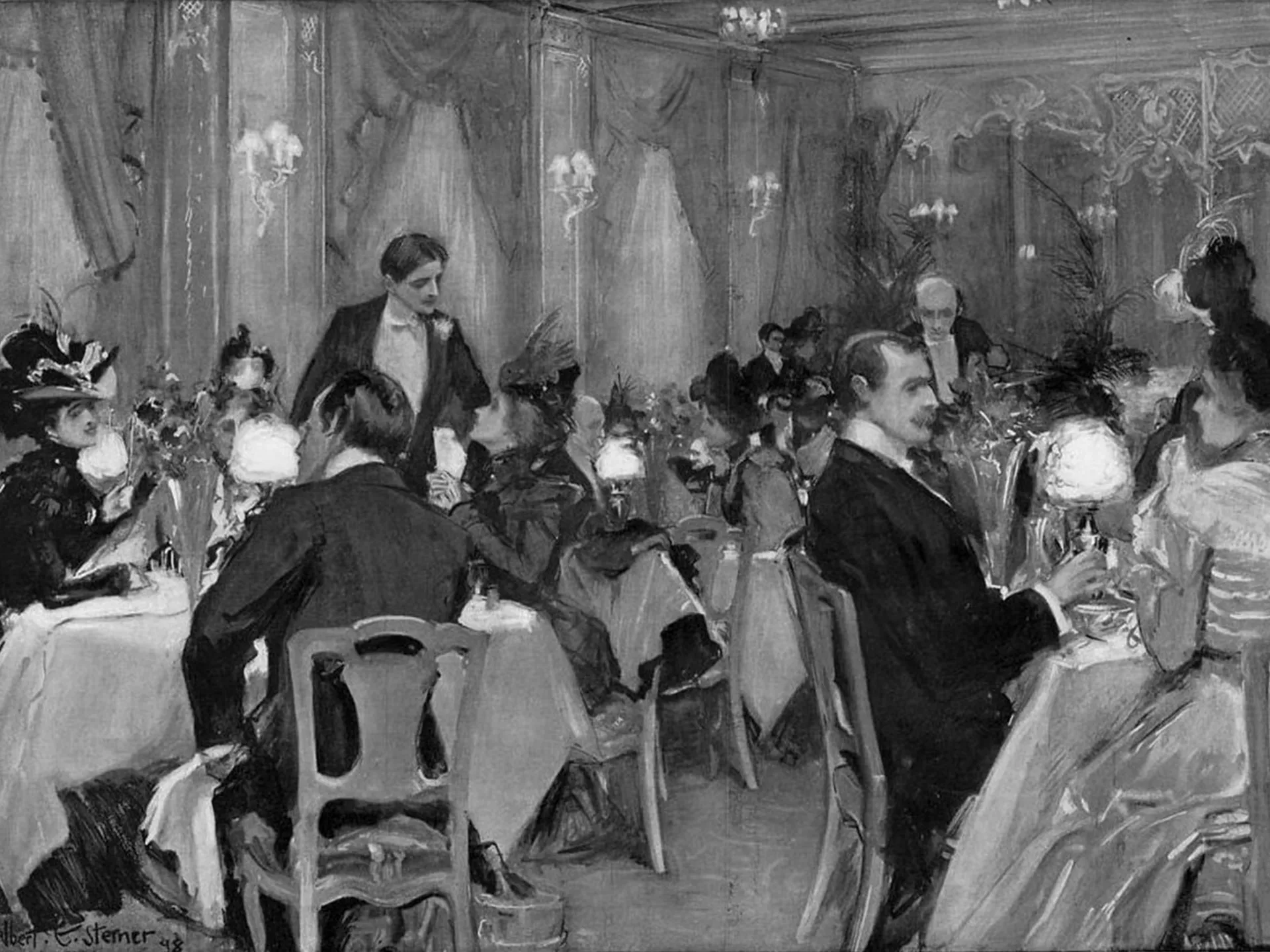
Photo of Supper after the Opera at Delmonico’s (New York), by Albert Edward Sterner, 1898, engraving.[4]
Among the household staff, the chef ranked at the top with the butler and housekeeper. The leader of his realm, he was typically artistic, inspired, and passionate. According to a 1903 household manual, the stereotypical French chef thrived on both praise and pointed criticism.
The more elaborate the menus he is called upon to prepare, the better pleased is he. [5]
Millionaire Households
Although he cooked everyday dinners, the archetypal French chef longed for special occasions that called for elaborate dishes. The best chefs often avoided households reluctant to entertain lavishly. They likely preferred working for people who favored extravagance and gave them free reign to pursue their ambitions and display their artistry.
Primary sources cited
The Kitchen at Delmonico's, 1902, The New York Times photo archive, web source.
- Mary Elizabeth Carter, Millionaire Households and Their Domestic Economy, with Hints upon Fine Living (New York: D. Appleton and Company, 1903), 218.
Unidentified photographer, Delmonico’s Restaurant in New York, 1888, Wikimedia Commons.
Sterner, Albert Edward, Supper after the Opera at Delmonico's, New York, 1898, engraving, Wikimedia Commons.
- Mary Elizabeth Carter, Millionaire Households and Their Domestic Economy, with Hints upon Fine Living (New York: D. Appleton and Company, 1903), 222.